Smart Lighting Market Growth: What Commercial Buyers Should Know
Smart lighting market growth is changing how commercial buyers compare LED fixtures, controls, sensors, drivers, and retrofit ROI before placing bulk orders.

Smart Lighting Market Growth: The Short Answer
Smart lighting market growth is not just about app-controlled bulbs. In commercial buildings, the real value comes from LED fixtures, networked controls, occupancy sensors, daylight harvesting, scheduling, dimming, and maintenance data working as one system. Buyers ordering in bulk should compare the fixture and the control layer together, because the wrong driver, sensor, or protocol can limit savings after installation.
The [U.S. Department of Energy](https://www.energy.gov/energysaver/led-lighting) notes that LED lighting uses at least 75% less energy and lasts much longer than incandescent lighting. [ENERGY STAR](https://www.energystar.gov/products/lighting_fans/light_bulbs/learn_about_led_bulbs) gives buyers a useful performance filter for qualified lighting products. IEEE guidance matters too: [IEEE 1789](https://standards.ieee.org/ieee/1789/4481/) is often referenced when evaluating flicker risk from LED drivers and dimming systems.
For bulk buyers, the practical takeaway is simple: do not buy smart lighting as a feature. Buy it as an operating system for the building. The system should cut runtime, reduce over-lighting, support maintenance, and stay compatible with future fixtures and controls.
Why Commercial Smart Lighting Is Growing
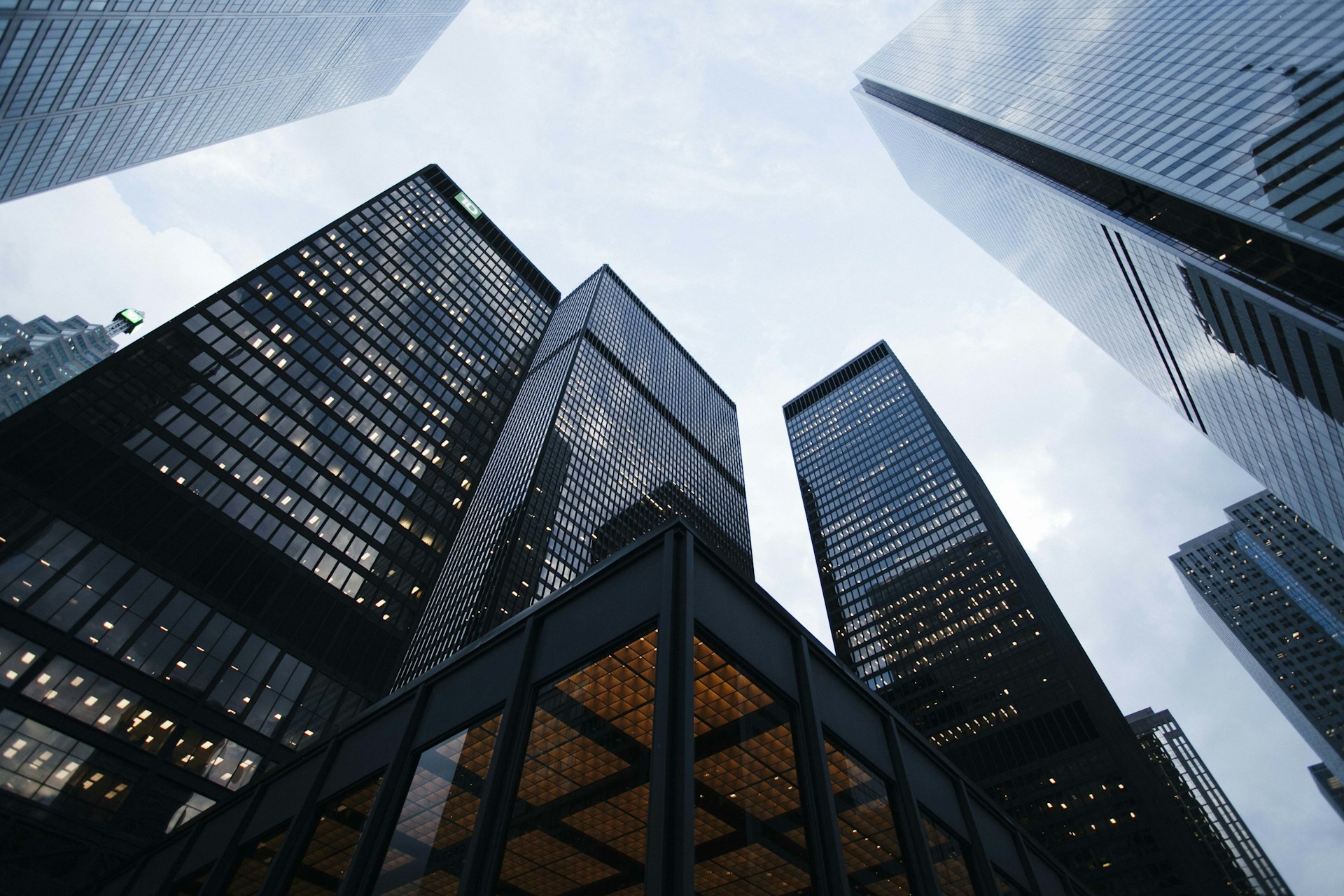
Commercial buyers are under pressure from energy costs, labor costs, ESG reporting, tenant expectations, safety requirements, and aging fluorescent infrastructure. A basic LED retrofit can cut wattage quickly, but smart lighting adds another layer: it reduces wasted hours and wasted brightness.
In offices, schools, hotels, hospitals, warehouses, parking structures, and retail spaces, lights often run on broad schedules even when occupancy changes by zone. Smart controls can dim open areas during daylight, shut off unused rooms, lower corridors after hours, and provide brighter scenes only when work actually requires them.
That is why smart lighting market growth matters to procurement teams. The conversation has moved from "Which fixture is cheapest?" to "Which system lowers total operating cost without creating a maintenance headache?" The best answer depends on fixture quality, driver compatibility, control protocol, commissioning support, cybersecurity expectations, and replacement availability.
If you are planning a retrofit, start with our [commercial LED lighting guide for lumens, controls, rebates, and ROI](/blog/commercial-led-lighting-guide-lumens-controls-rebates-roi) before comparing product quotes.
The Controls That Create the Most Value
Occupancy and vacancy sensors usually create the fastest savings in spaces with inconsistent use. Conference rooms, restrooms, storage rooms, private offices, break rooms, utility areas, and back-of-house spaces are good examples. A fixture that turns off automatically after people leave removes the biggest source of waste: human forgetfulness.
Daylight harvesting is valuable near windows, skylights, atriums, storefront glass, and perimeter office zones. The system measures available daylight and dims electric lighting to maintain a target light level. This is especially useful in buildings where lights stay at full output even on bright days.
Scheduling is powerful in facilities with predictable operating hours. Retail stores, warehouses, schools, gyms, and offices can run different scenes for opening, normal operation, cleaning, security, and overnight mode. The schedule should be easy for facility teams to adjust without calling a programmer for every change.
Task tuning is often overlooked. Many buildings are over-lit because old systems were designed with conservative assumptions, aging lamps, or uneven distribution. LED systems can be tuned down after installation while still meeting required light levels. That can produce savings without making occupants feel like the building is dim.
Compare Fixtures and Controls Together
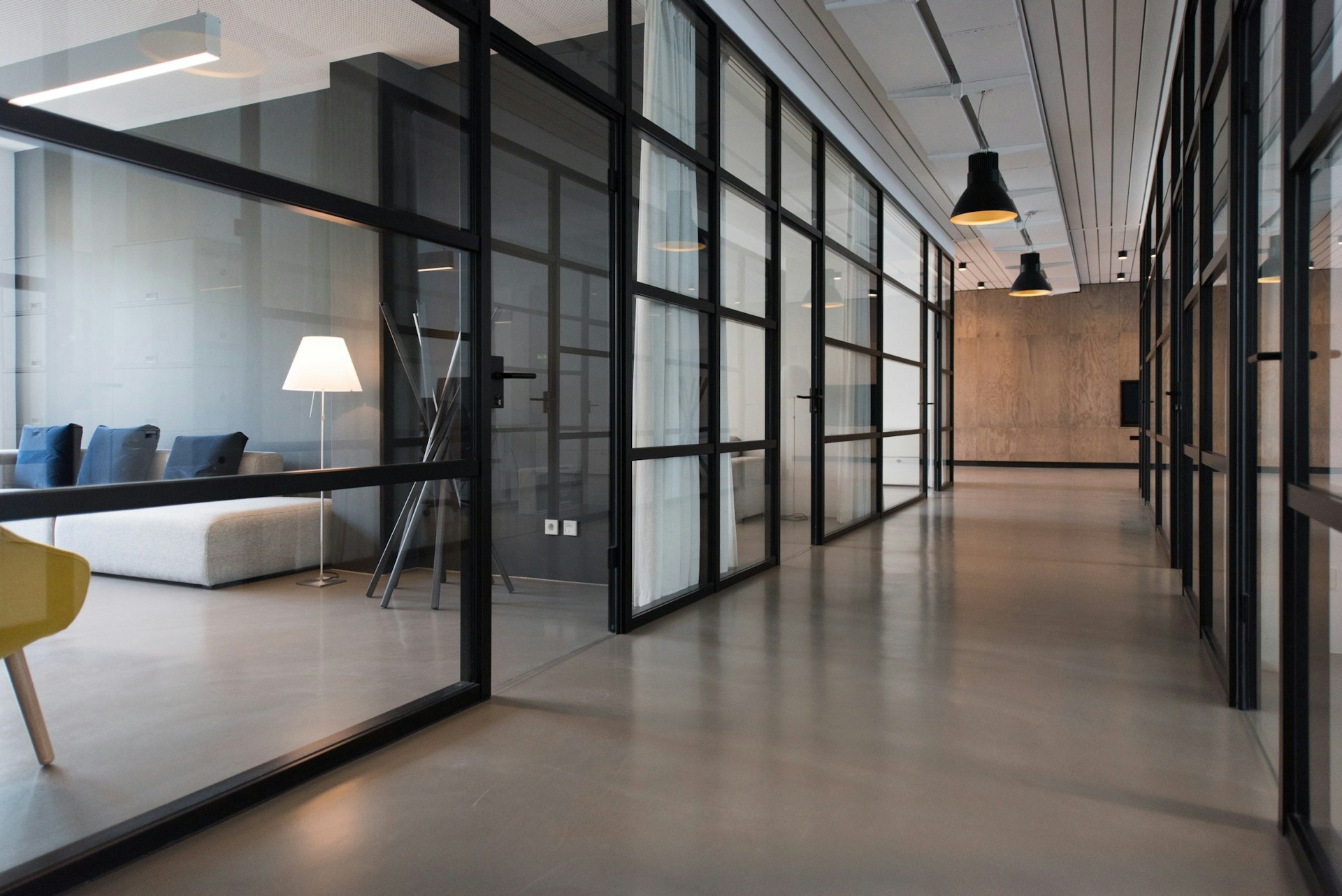
Smart lighting systems fail when buyers separate the fixture order from the controls decision. A fixture may look efficient on paper, but if the driver does not dim smoothly, does not support the chosen protocol, creates flicker, or cannot connect to the sensor network, the installed result will disappoint.
Before ordering in bulk, confirm these details:
- Driver type and dimming method: 0-10V, DALI, phase dimming, DMX, or digital networked control.
- Sensor compatibility: integral sensor, fixture-mounted sensor, ceiling sensor, wall sensor, or gateway-based system.
- Minimum dim level: some products dim to 10%, others to 1%, and some step down unevenly.
- Flicker performance: ask for test data, especially in spaces with video, machinery, classrooms, or detailed work.
- Fail-safe behavior: lights should behave safely if a sensor, gateway, or network connection fails.
- Commissioning workflow: the supplier should explain who configures zones, scenes, schedules, and sensor sensitivity.
- Replacement path: future drivers, sensors, and fixtures should be available without replacing the entire system.
IEEE 1789 is relevant because dimming and driver design can affect modulation and flicker. Buyers do not need to become standards engineers, but they should ask vendors for flicker data and test samples before approving a large order.
Wireless vs Wired Smart Lighting
Wireless controls are attractive because they reduce control wiring, shorten retrofit disruption, and make zone changes easier. They can work well in offices, schools, retail, hotels, and smaller commercial buildings where installation speed matters.
Wired controls are often preferred in large facilities, mission-critical spaces, campuses, venues, healthcare, and projects with strict integration requirements. They may cost more upfront but can offer predictable performance, centralized management, and strong compatibility with building automation systems.
The right choice depends on building size, wall construction, ceiling access, IT requirements, maintenance skills, and the cost of downtime. For example, a simple tenant office may benefit from wireless fixture-level controls. A hospital corridor, arena, or manufacturing floor may need a more controlled wired architecture.
Do not evaluate wireless only by fixture price. Ask about gateways, repeaters, batteries, commissioning labor, software licenses, cybersecurity, firmware updates, and what happens if the vendor changes platforms.
How to Build a Smart Lighting Bulk Order
A good bulk order starts with an audit. Count fixtures by type, wattage, mounting height, voltage, ceiling condition, room use, operating hours, dimming needs, and access difficulty. Mark which zones need sensors, which need daylight response, which need emergency behavior, and which only need efficient fixed-output fixtures.
Then standardize without oversimplifying. A practical commercial order might use one fixture family for open offices, another for corridors, a wet-rated option for service areas, and high-output fixtures for warehouse aisles. Controls can be standardized by zone type: occupancy sensors in private rooms, daylight dimming at windows, schedules in common areas, and manual override where occupants need control.
Keep the bill of materials complete. Include fixtures, drivers, sensors, gateways, wall stations, emergency accessories, mounting kits, spare parts, labels, commissioning services, and documentation. Missing small parts can delay a large retrofit more than the fixtures themselves.
For strip-heavy projects, compare smart controls alongside the light source. Our [LED strip vs LED bar lighting guide](/blog/led-strip-vs-led-bar-lighting-commercial-displays) explains where linear systems need different planning than panels or troffers.
Rebates, Labor, and ROI
Smart lighting ROI is not only fixture wattage. The savings equation includes old wattage, new wattage, dimmed output, reduced runtime, operating hours, electricity rate, demand charges, maintenance labor, lamp replacement, ballast replacement, lift rentals, and utility incentives.
Rebates can change the best choice. Some programs reward basic LED upgrades. Others provide higher incentives for networked lighting controls, occupancy sensors, daylight controls, or advanced commissioning. Always confirm the exact product eligibility before ordering. A similar-looking SKU may not qualify.
Labor also matters. A cheap fixture that takes longer to install, requires extra wiring, or needs repeated commissioning visits can lose its price advantage. For large orders, ask bidders to separate product cost, installation labor, controls setup, after-hours work, lift rental, disposal, rebate paperwork, and closeout documentation.
Payback should be calculated at the system level. A smart fixture may cost more than a basic LED fixture, but if it cuts hours, reduces brightness, supports rebates, and lowers maintenance calls, the installed ROI can be better.
Mistakes That Increase Total Cost
The first mistake is buying controls that the maintenance team cannot operate. If every schedule change requires vendor support, the system will become expensive and underused. Facility teams need training, access, documentation, and a simple way to adjust zones.
The second mistake is ignoring occupant experience. Sensors that turn lights off too aggressively, dimming that feels uneven, cold color temperature in warm spaces, or visible flicker can create complaints. A lighting system that people override all day will not save what the proposal promised.
The third mistake is mixing incompatible components. Fixture, driver, sensor, gateway, wall control, emergency system, and building automation integration need to be verified before the bulk order ships.
The fourth mistake is skipping a pilot. Install one representative zone first. Test brightness, sensor timing, dimming range, flicker, emergency behavior, commissioning workflow, and user feedback. Once the pilot works, scale the exact standard across similar areas.
FAQ
Why is smart lighting adoption growing in commercial spaces?
Because commercial buildings need lower energy use, better control, lower maintenance, and more flexible operation. LEDs cut fixture wattage, while controls reduce wasted runtime and over-lighting.
Which smart lighting controls create the most value?
Occupancy sensors, vacancy sensors, daylight harvesting, scheduling, task tuning, and centralized monitoring usually create the most measurable value. App control alone is not enough.
Should buyers choose wireless or wired smart lighting?
Wireless can be faster and less disruptive for retrofits. Wired systems can be better for large, complex, mission-critical, or highly integrated buildings. The right answer depends on the facility and maintenance plan.
How should buyers compare smart lighting systems before bulk purchase?
Compare fixtures, drivers, sensors, protocols, dimming range, flicker data, commissioning support, software requirements, warranty, replacement availability, cybersecurity, and rebate eligibility.
What is the biggest smart lighting mistake?
The biggest mistake is treating smart lighting as a product feature instead of a building system. The fixture, controls, commissioning, maintenance workflow, and user experience must work together.
Bottom Line
Smart lighting market growth is creating better options for commercial buyers, but it also makes comparison harder. The winning order is not always the cheapest fixture or the flashiest control app. It is the system that delivers efficient light, reliable dimming, useful automation, maintainable parts, documented settings, and measurable ROI across the building.