LED Retrofit vs Full Replacement: Which Makes More Financial Sense in 2026?
When aging commercial fixtures need an upgrade, the retrofit-vs-replace debate comes down to upfront cost, payback period, and long-term performance. This guide breaks down the real financial math so you can make the right call for your facility.

LED Retrofit vs Full Replacement: Which Makes More Financial Sense in 2026?
When aging commercial fixtures reach the end of their useful life, facility managers face a choice that looks deceptively simple on the surface: swap in a retrofit kit, or pull out the entire fixture and start fresh. Get it right and you lock in a decade of lower energy bills and minimal maintenance. Get it wrong and you are re-doing the job in three years at double the cost.
In 2026, both paths have become more compelling than ever. High-efficiency retrofit kits now hit 160–180 lumens per watt, closing the performance gap with new fixtures. At the same time, full replacements offer integrated sensors, Matter-compatible controls, and warranties that stretch to 10 years. The right answer depends on your building's age, fixture condition, control requirements, and budget cycle.
This guide covers the real financial math, the hidden costs most buyers miss, and the scenarios where each option clearly wins.
What Is an LED Retrofit Kit?
A retrofit kit replaces only the internal components of an existing fixture — the lamp, ballast, and driver — while leaving the housing, wiring, and mounting hardware in place. The most common applications are:
- - Troffer retrofits: Drop-in LED panels that replace fluorescent lamp-and-ballast assemblies inside existing 2×2 or 2×4 troffer housings
- - High-bay retrofits: LED modules that bolt into existing HID (metal halide or high-pressure sodium) high-bay shells
- - Tube retrofits: Direct LED replacement tubes (Type A, B, or C) for fluorescent fixtures
The core appeal is cost. Retrofit kits typically run 40–60% less than full fixture replacements because you are reusing the existing housing and keeping labor hours lower.
What Does Full Fixture Replacement Mean?
Full replacement means removing everything — housing, wiring connections at the fixture, mounting hardware — and installing an entirely new luminaire. In offices this usually means new troffer or flat-panel LED fixtures. In warehouses and manufacturing floors it means new LED high-bays or linear high-bays.
Full replacement delivers:
- - New UL/DLC-listed housing with updated photometry
- - Clean warranty on every component (typically 5–10 years)
- - Compatibility with current occupancy sensors and dimming protocols (0–10V, DALI, or wireless)
- - Higher initial luminaire efficacy — top-tier new fixtures in 2026 reach 200+ lm/W
The trade-off is cost and disruption. Full replacement averages 1.5–2× the installed cost of a retrofit on a per-fixture basis.
The Financial Math: Side-by-Side Comparison
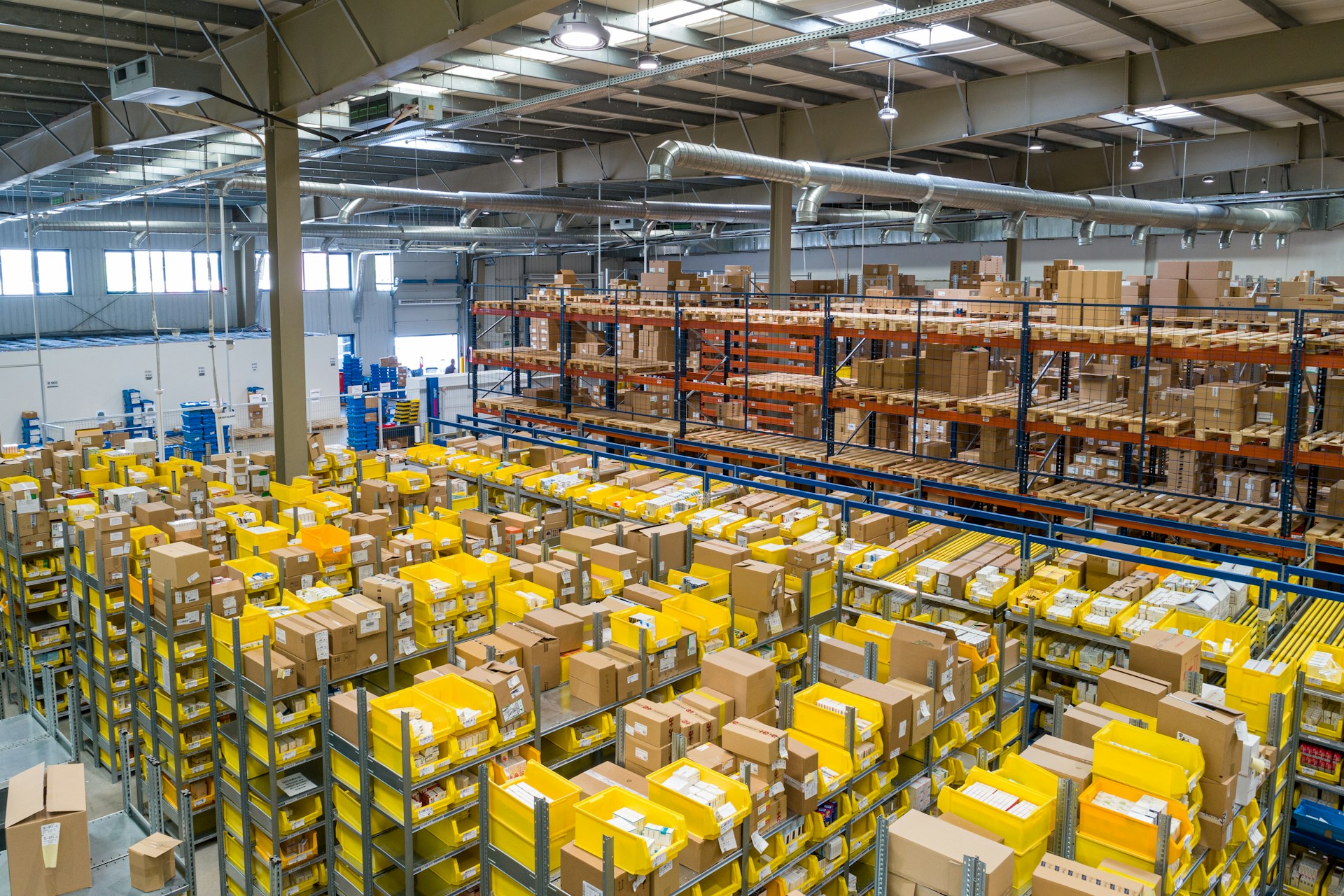
Here is a realistic cost model for a 50,000 sq ft warehouse upgrading from 400W metal halide high-bays to LED, with 80 fixtures total:
Retrofit path (400W MH → 150W LED retrofit kit) - Retrofit kit cost: $85–$120 per fixture - Labor (0.5–0.75 hrs per fixture at $75/hr): $38–$56 - Total installed per fixture: ~$130–$175 - Total project: ~$10,400–$14,000 - Wattage reduction: 400W → 150W (62.5% reduction) - Annual energy savings (at $0.12/kWh, 4,000 hrs/year): ~$2,880
Full replacement path (400W MH → new 150W LED high-bay) - New fixture cost: $180–$280 per fixture - Labor (1.0–1.5 hrs per fixture at $75/hr): $75–$112 - Total installed per fixture: ~$255–$392 - Total project: ~$20,400–$31,400 - Wattage reduction: 400W → 130W (best-in-class new fixture, 67.5% reduction) - Annual energy savings (at $0.12/kWh, 4,000 hrs/year): ~$3,120
The retrofit saves $10,000–$17,000 upfront. The full replacement saves an additional $240/year in energy. At that difference, the retrofit's financial advantage takes roughly 42–70 years to erode — making the energy gap essentially irrelevant for most facilities.

How to Calculate Your Payback Period
The payback period is simple:
Payback (years) = Installed Cost ÷ Annual Savings
For the retrofit example above: - Installed cost: $12,000 (midpoint) - Annual savings: $2,880 - **Payback: 4.2 years**
For full replacement: - Installed cost: $25,900 (midpoint) - Annual savings: $3,120 - **Payback: 8.3 years**
Before choosing, stack these paybacks against two other factors:
- Available utility rebates — Many utilities offer $20–$80 per fixture for DLC-listed retrofits and replacements. A $40/fixture rebate on 80 fixtures cuts $3,200 from your project cost. See our guide on [commercial LED lighting rebates and incentives in 2026](/blog/commercial-led-lighting-rebates-incentives-2026) to understand what your utility may offer.
2. **Section 179 / bonus depreciation** — In 2026, commercial lighting equipment qualifies for 40% bonus depreciation under current federal tax rules, further accelerating your effective payback.
When Retrofitting Makes More Sense
Retrofitting wins in these scenarios:
Your fixture housings are in good shape. If the sheet metal is sound, the reflector is clean, and there is no corrosion or water damage, there is no reason to throw away perfectly usable housing.
Budget cycle is tight. Retrofits let you cover more square footage per dollar, which matters when capital budgets are constrained. Upgrading all 80 fixtures via retrofit for $12,000 beats upgrading only 40 fixtures via full replacement for the same budget.
You have a short remaining lease. If you are 3–4 years from a lease expiration or a planned facility renovation, a 4-year payback retrofit makes sense. An 8-year payback replacement does not.
Existing fixtures are non-proprietary standard sizes. Troffers in standard 2×2 and 2×4 sizes retrofit cleanly with commodity LED panels. HID high-bays with standard mogul-base sockets accept LED retrofit lamps without modification.
If you are currently running fluorescent T8 or T12 lamps, our guide on [replacing fluorescent tubes with LED](/blog/replacing-fluorescent-tubes-with-led) covers the three wiring approaches and which delivers the best long-term reliability.
When Full Replacement Is the Better Call
Full replacement wins when:
The fixture housing is compromised. Rust, lens yellowing, failed reflector coatings, or non-standard dimensions signal that reusing the housing will create reliability issues down the road. Spending $130 on a retrofit kit that mounts inside a failing housing is a false economy.
You need integrated controls. Modern LED fixtures increasingly ship with built-in 0–10V dimming, occupancy sensors, and wireless commissioning. Retrofitting these capabilities into old housings requires additional hardware and often creates reliability weak points. If your project includes a DALI or wireless lighting control system, full replacement is almost always cleaner.
The facility is undergoing a major renovation. When ceilings are already open, labor costs for full replacement drop significantly. This is the moment to upgrade completely.
You are moving from HID to LED in a critical application. In manufacturing environments where color rendering (CRI), flicker performance, or photometric precision matters, new fixtures engineered as complete systems outperform retrofits. See our [LED panel lights vs troffer comparison](/blog/led-panel-lights-vs-troffer) for how fixture design affects output quality.
Hidden Costs That Tip the Scales
Both options carry costs that are easy to miss at the estimating stage:
Disposal fees. Removing old fluorescent lamps and ballasts triggers hazardous waste handling costs (mercury in fluorescent lamps). Budget $2–$5 per lamp in disposal fees. This cost applies equally to retrofits and full replacements.
Driver compatibility issues. Type A LED tubes rely on existing electronic ballasts, which may fail early, reducing your actual savings. Type B (ballast-bypass) tubes eliminate this risk but require re-wiring. Factor in $8–$15 per fixture in additional labor if bypassing ballasts.
Photometric recertification. If your facility is subject to lighting standards (OSHA lux requirements, IESNA RP-1 for offices, RP-8 for parking), a full replacement with calibrated new fixtures simplifies photometric compliance documentation versus retrofits in modified housings.
Warranty limitations. Retrofit kits typically carry 3–5 year warranties versus 5–10 years for complete new fixtures from major brands. Factor the extended maintenance window into your total cost of ownership model.
The [DesignLights Consortium (DLC)](https://www.designlights.org/) maintains a QPL (Qualified Products List) of eligible retrofit kits and new fixtures that meet efficacy and quality standards for utility rebate programs. Verify your chosen product appears on the DLC QPL before purchasing — ineligible products can void rebate claims.
Real-World Scenarios
Scenario A — Office building, 10,000 sq ft, 180 2×2 troffers, currently T8 fluorescent: Retrofit path wins. Housings are standard and in good condition. Retrofit cost ~$22,000, full replacement ~$48,000. Payback gap of over 5 years strongly favors retrofits.
Scenario B — Food processing plant, 15,000 sq ft, 60 vapor-tight fixtures, 10 years old with visible corrosion: Full replacement wins. Corroded housings in a wet environment are a liability. New IP65/IP66-rated LED vapor-tight fixtures eliminate the risk and qualify for utility rebates that narrow the cost gap.
Scenario C — Warehouse under renovation, ceilings open, 120 metal halide high-bays: Full replacement wins. Labor differential disappears when ceilings are open. New 200 lm/W high-bays at this moment deliver the best 10-year TCO. The [DOE's SSL program](https://www.energy.gov/eere/ssl/led-basics) reports commercial LED high-bays now routinely achieve 150,000-hour L70 lifespans — a 37-year lifespan at 4,000 hours/year operation.
Frequently Asked Questions
Is it cheaper to retrofit existing fixtures or replace them entirely? In most standard commercial applications, retrofits cost 40–60% less per fixture than full replacements. For facilities with sound existing housings, retrofitting delivers faster payback. Full replacement makes financial sense when housings are compromised, controls integration is required, or ceilings are already open for renovation.
What is an LED retrofit kit and how does it work? An LED retrofit kit replaces only the internal lighting components (lamp, ballast, driver) of an existing fixture while leaving the housing, mounting, and wiring connections in place. Most kits are designed to fit standard fixture dimensions and plug into existing wiring with minimal modification.
How do I calculate payback period for an LED retrofit? Divide your total installed cost by your annual energy savings. Annual savings = (old wattage − new wattage) × annual operating hours × electricity rate. Include available utility rebates as a cost reduction before calculating. The [ENERGY STAR savings calculator](https://www.energystar.gov/products/lighting_fans/light_bulbs/learn_about_led_bulbs) provides a starting point for residential applications; for commercial use, request your utility's commercial rebate estimator.
What are the hidden costs of LED retrofits I should budget for? Key hidden costs include: hazardous waste disposal for fluorescent lamps (mercury), potential ballast-bypass rewiring for Type B LED tubes, photometric recertification if your facility has mandated lux standards, and shorter warranty terms (3–5 years vs 5–10 years for new fixtures). Always request a DLC-listed product to preserve rebate eligibility.
Does retrofitting affect my utility rebate eligibility? Not if you choose DLC-listed retrofit kits. Most utility rebate programs accept DLC-qualified retrofits at the same rebate levels as new fixtures. Verify your specific utility program's current QPL requirements before purchasing, as rebate structures change year to year.
Bottom Line
For the majority of commercial facilities in 2026 — offices, retail spaces, warehouses with serviceable existing fixtures — LED retrofitting delivers a faster payback at lower upfront cost. The performance gap between retrofit kits and new fixtures has narrowed enough that it rarely justifies a 2× capital spend.
Full replacement earns its premium when existing fixtures are physically compromised, when advanced control integration is a project requirement, or when a renovation already has ceilings open and labor costs equalized.
Run your own numbers using the payback formula above, stack in your available utility rebates, and factor in the fixture condition honestly. The math will usually tell you clearly which path wins for your specific situation.