Cree vs. OSRAM vs. Philips Signify: Which LED Brand Wins for Commercial Projects?
Choosing between Cree, OSRAM, and Philips Signify for a commercial LED project? This guide breaks down warranty, light quality, smart controls, availability, and pricing to help you specify the right brand for warehouses, retail, offices, and beyond.

Cree vs. OSRAM vs. Philips Signify: Which LED Brand Wins for Commercial Projects?
When specifying LEDs for a commercial project — whether you're outfitting a 50,000 sq ft warehouse, a hotel corridor, or a chain of retail stores — the brand matters more than the spec sheet suggests.
Three names come up on nearly every commercial shortlist: **Cree Lighting**, **ams-OSRAM**, and **Philips Signify**. Each has a distinct market position, product philosophy, and warranty structure. Choosing the wrong one costs you not just money, but time — in procurement, installation, and after-sales support.
This guide breaks down where each brand excels, where they fall short, and which project types each serves best in 2026.
Brand Overview: Who Are These Companies?
Cree Lighting
Cree is an American LED company that split from its parent semiconductor business in 2023 when Cree, Inc. spun off the lighting division. The lighting unit — now operating as **Cree Lighting** under SGM ownership — focuses on the North American commercial and industrial market.
Cree's reputation is built on **high-output, rugged fixtures**: high-bay luminaires for warehouses, sports facilities, and parking garages. They are DLC Premium listed on virtually their entire commercial portfolio and appear regularly on GSA and government contracts.
ams-OSRAM
OSRAM, the German lighting giant founded in 1919, merged with semiconductor maker ams in 2020 to form **ams-OSRAM**. The commercial lighting business continues under the OSRAM brand for most buyers.
OSRAM occupies a premium European-heritage position, with particular strength in architectural lighting, horticulture LEDs, UV/IR specialty applications, and automotive. In North American commercial projects, OSRAM is most often specified for **retail and hospitality** where color rendering and aesthetics take priority.
Philips Signify
Signify (formerly Philips Lighting) separated from Royal Philips in 2018 and is now the world's largest lighting company by revenue. The Philips brand is licensed for lighting products globally.
Signify's scale gives it unmatched product breadth: from basic commercial troffers to connected smart building systems via its **Interact** IoT platform. For large-scale projects where connectivity, energy management, and system integration are priorities, Signify is typically the lead contender.
Head-to-Head Comparison
1. Light Quality (CRI, Efficacy, Color Consistency)
All three brands produce fixtures with CRI 80–90+ across their commercial lines. The differences emerge at the premium tier.
Cree is known for consistent MacAdam 2-step binning — tightly controlled color consistency batch to batch. Their EdgeLit and KR8 series achieve CRI 90+ at competitive efficacy (130–160 lm/W for high-bay fixtures). Cree publishes LM-79/LM-80 data readily, which is critical for project documentation and rebate qualification.
OSRAM is the strongest CRI performer of the three at the upper end. OSRAM's SubstiTUBE and Lumineo series achieve CRI 95+ with high R9 values — important for retail environments where product color rendering directly affects purchase decisions. Their Duris LED modules are used in many third-party OEM fixtures.
Philips delivers consistent quality at volume. Their TrueForce lamp series and CorePro range provide reliable CRI 80–90 for general commercial applications. For premium CRI 95 performance, Philips steps up to the Fortimo and Xitanium driver and module combinations, which are OEM components rather than finished fixtures.
Winner for light quality: OSRAM at the premium tier; Cree for consistent high-volume commercial specifications.
2. Warranty
Warranty is where commercial buyers feel the most pain — a fixture failure in year 6 of a 5-year warranty means expensive emergency procurement on a product that may have changed.
- - Cree: 10-year limited warranty on most commercial LED fixtures — one of the strongest in the industry. This applies to luminaires, not just drivers or LEDs.
- - OSRAM: 5-year standard warranty on most commercial products, with 3-year on some economy lines. Extended warranty options are available through distributor programs.
- - Philips Signify: 5-year warranty on most commercial luminaires, with some smart-connected products at 3 years. Premium fixtures under the GreenSpace and GreenWarehouse programs carry 5-year coverage.
Winner for warranty: Cree — the 10-year guarantee is a meaningful differentiator for hard-to-access installations like warehouse high-bays, parking garage canopies, and sports venue lighting.
3. Smart Controls and IoT Integration
For projects where energy management, occupancy-based dimming, or BMS integration is required:
Cree SmartCast Technology is a self-commissioning wireless control system that requires no app or manual programming for basic occupancy and daylight harvesting. It works well for smaller commercial projects that need connectivity without complexity. The system uses 900 MHz mesh to avoid the congestion issues of 2.4 GHz Wi-Fi in dense commercial environments.
OSRAM relies on third-party DALI and Bluetooth mesh integration rather than a proprietary IoT platform. Their Traxon division handles architectural smart lighting for hospitality and entertainment. For mainstream commercial IoT with BMS connectivity, OSRAM is the weakest of the three.
Philips Signify Interact is a cloud-connected lighting management platform covering retail, office, industrial, and outdoor categories. It integrates with HVAC, access control, and analytics platforms from major BMS vendors. For large facilities pursuing [ENERGY STAR Building Certification](https://www.energystar.gov/buildings) or LEED v4.1 credits via advanced lighting controls, Signify's ecosystem depth is unmatched.
Winner for smart and IoT: Philips Signify — especially for enterprise-scale projects.
4. Product Availability and Lead Times
In 2026, supply chain resilience matters as much as spec performance.
- - Cree: Strong North American inventory at major distributors (Graybar, Wesco, Anixter). Most standard commercial series ship within 2–3 weeks. Custom configurations typically run 8–10 weeks.
- - OSRAM: Distribution density is lower in the US compared to Cree or Philips. Specialty and premium OSRAM products often require factory-order lead times of 6–12 weeks.
- - Philips Signify: Best overall availability globally. TrueForce and CorePro ranges ship ex-stock through hundreds of distributors. Smart system components (Interact sensors, gateways) run 4–6 weeks.
Winner for availability: Philips Signify, with Cree close behind for standard commercial product.
5. Price and Total Cost of Ownership
Upfront price alone is a poor proxy for commercial LED value. Consider warranty term, efficacy, DLC rebate eligibility, and driver replacement cost over a 10-year horizon.
Cree sits at mid-to-premium pricing with strong ROI from warranty coverage and efficacy. A Cree KR8 LED high-bay at $180–220 per fixture competes against generic alternatives at $80–110, but delivers twice the warranty term and verified LM-79 documentation.
OSRAM carries a 15–25% premium over equivalent Cree commercial products — justified for retail and hospitality where light quality directly affects revenue per square foot.
Philips offers the widest range — from budget (TrueForce at $8–15 per tube) to premium connected systems. For comparable commercial fixtures, Philips typically falls between Cree and OSRAM in price.
When accounting for rebate eligibility, DLC Premium-listed products from all three brands qualify for significant utility incentives. Our guide to [commercial LED lighting rebates and incentives](/blog/commercial-led-lighting-rebates-incentives-2026) covers how to reduce net project cost by 20–40% through stacked federal and utility programs.

Which Brand for Which Project?
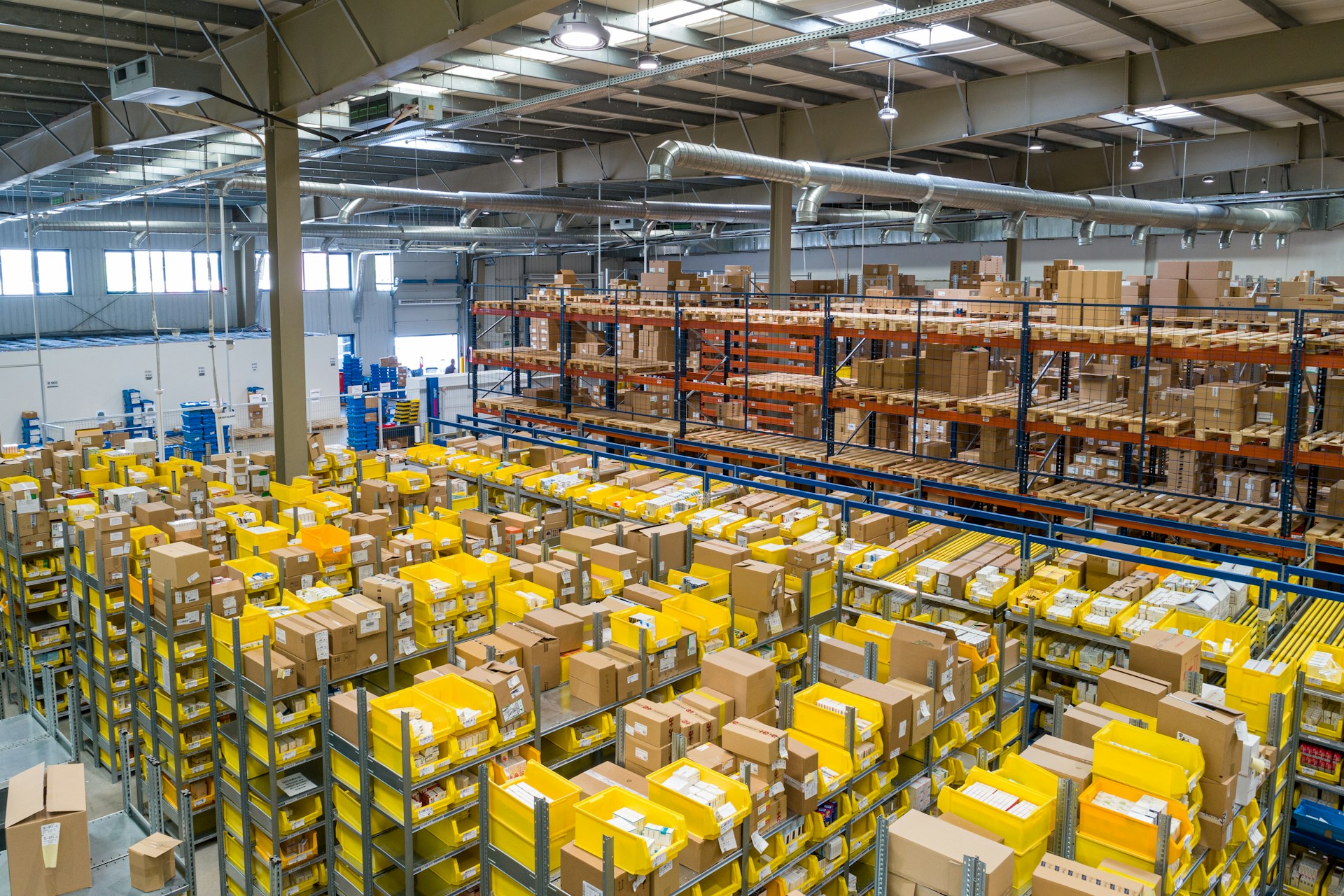
Warehouse and industrial facilities: Cree wins on warranty, efficacy, availability, and DLC documentation. The 10-year warranty is especially valuable for high-bay fixtures in locations where re-lamping requires lift equipment and significant labor cost.
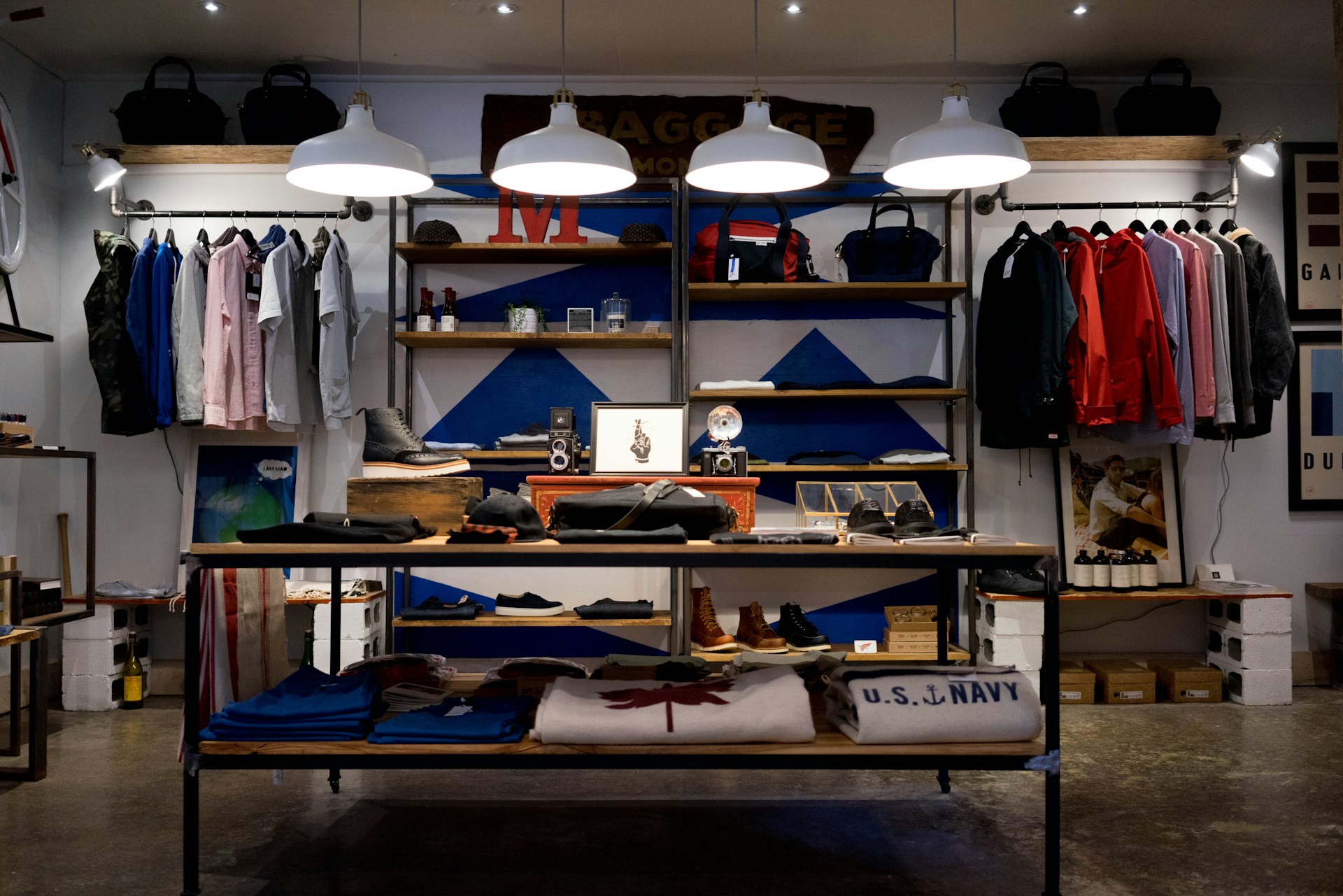
Retail and hospitality: OSRAM is the premium choice where CRI 95+ and consistent color accuracy across batches justify the cost. Better color rendering measurably affects merchandise appeal and guest experience.
Enterprise office and smart buildings: Philips Signify's Interact platform makes it the default specification for any project requiring BMS integration, occupancy analytics, or LEED and ENERGY STAR documentation support.
Municipal and government: Cree's GSA schedule availability, DLC Premium listings, and Buy American compliance make it the low-friction choice for public projects.
Mixed-use and budget-sensitive: Philips' TrueForce and CorePro commodity lines offer dependable performance at accessible price points with wide distributor availability.
Retrofit vs. New: How Brand Choice Intersects
The brand decision changes depending on whether you are retrofitting existing housings or installing new fixtures. Cree's 10-year new-fixture warranty is less relevant in a retrofit scenario where the housing remains. In that context, Philips' driver-only and tube retrofit products often win on price and availability.
For a detailed cost analysis framework, see our breakdown of [LED retrofit vs. full fixture replacement costs in 2026](/blog/led-retrofit-vs-full-replacement-cost-2026). For product-level comparisons of connected downlights across these ecosystems, the [smart LED downlight comparison guide](/blog/smart-led-downlight-comparison-2026) covers Cree SmartCast and Philips Signify Interact-compatible fixtures side by side.
Frequently Asked Questions
Are Cree, OSRAM, and Philips LEDs DLC Premium listed? Yes. All three brands maintain extensive DLC Premium-listed commercial portfolios, which qualifies their products for utility rebate programs across the US and Canada. Always verify DLC listing status for the specific SKU on the [DesignLights Consortium QPL](https://www.designlights.org/search/) before purchasing in bulk — product lines change and not every fixture in a brand's catalog carries a listing.
Which brand offers the best warranty for bulk commercial purchases? Cree offers the strongest standard warranty at 10 years on most commercial luminaires. Philips and OSRAM offer 5 years standard. For large bulk purchases, negotiate a project-specific warranty addendum with your distributor regardless of brand — volume leverage is real and often used.
Is Philips Signify worth the premium over Cree for a standard warehouse? For standard warehouse high-bay applications without controls integration requirements, Cree is typically the better value. Philips earns its premium where the Interact platform adds measurable energy management value. In a basic warehouse, Cree's 10-year warranty and efficacy numbers are the deciding factors.
Can OSRAM compete with Philips for smart building projects? In North America, OSRAM's Traxon smart lighting division focuses on architectural and entertainment applications rather than commercial office and industrial IoT. For mainstream smart building projects with BMS integration requirements, Philips Signify's Interact platform has significantly greater depth and a larger partner ecosystem.
What specs should I verify when comparing these brands for bulk orders? Confirm lm/W efficacy at operating temperature (not just nominal peak), CRI and R9 values (request LM-79 test reports), DLC listing status for rebate eligibility, driver brand and warranty term, and field-replaceable driver availability for long-term serviceability.
Bottom Line
- - Choose Cree for North American warehouses, industrial facilities, and government projects where warranty depth and verified performance documentation matter most.
- - Choose OSRAM for retail, hospitality, and architectural projects where CRI 95+ and color precision justify the price premium.
- - Choose Philips Signify for enterprise smart building projects, large-scale connected systems, or any project where Interact IoT integration and global supply chain depth are priorities.
The right brand depends on your project's performance requirements, control infrastructure, and total cost of ownership window. Run the 10-year numbers — including warranty risk, rebate value, and energy cost delta — before committing at volume.