Commercial LED Installation for Arenas and Venues: Buyer Lessons for Large Projects
Arena and venue LED projects expose the same risks that commercial buyers face at scale: power, controls, glare, access, downtime, safety, and long-term maintenance.

Commercial LED installation gets more demanding when the project moves from a small office retrofit to an arena, gym, auditorium, convention hall, warehouse, or multi-use venue. The fixture count rises, ceilings get higher, downtime becomes expensive, and every mistake is visible from far away. That is why venue lighting is a useful model for any business planning a large LED upgrade.
The lesson is not that every buyer needs stadium-grade fixtures. The lesson is that large LED projects need a systems plan. Power, controls, mounting, glare, emergency lighting, access equipment, heat, spares, commissioning, and maintenance all affect the real cost. A quote that only lists fixture prices is not enough.
The [U.S. Department of Energy](https://www.energy.gov/energysaver/led-lighting) notes that LED lighting can use much less energy and last longer than traditional lighting, but those savings depend on the installed system. [ENERGY STAR](https://www.energystar.gov/products/lighting_fans/light_bulbs/learn_about_led_bulbs) keeps buyers focused on lumens instead of watts. For arenas and venues, take that one step further: compare delivered light, beam control, uniformity, glare, dimming, service access, and controls behavior together.
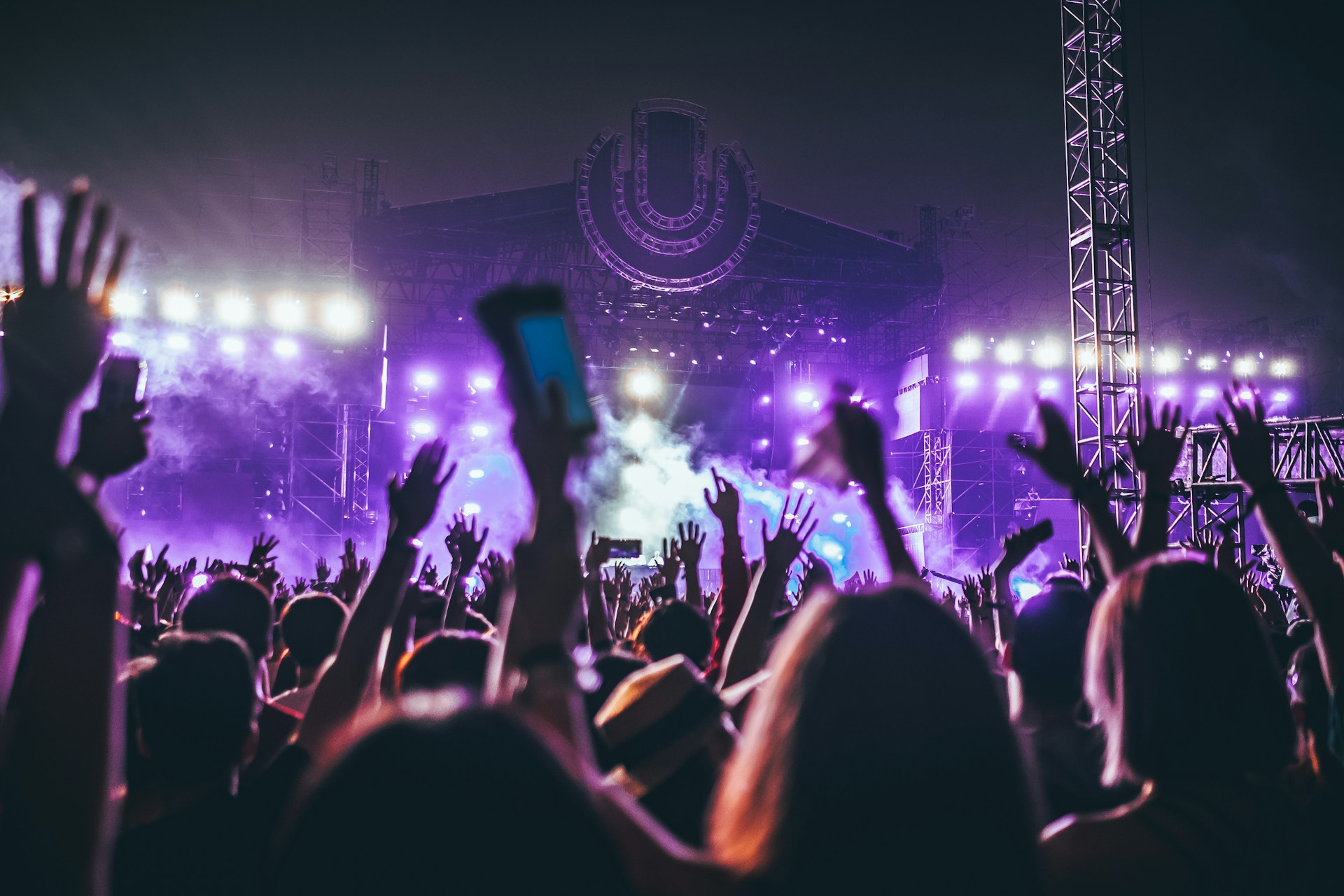
Why Venue LED Projects Are Different
A venue is not just a bigger room. It usually has high ceilings, long cable paths, public occupancy, emergency egress requirements, broadcast or event visibility, sound and video systems, and limited work windows. The lights may need to support sports, concerts, trade shows, maintenance work, cleaning crews, security, and public circulation in the same building.
That creates a different buying standard. A fixture can be efficient and still be wrong if it creates glare for spectators, leaves dark zones on stairs, flickers on camera, overloads existing controls, or requires a lift every time a driver fails. Bulk buyers should treat the arena model as a stress test for their own projects.
Before ordering, define the operating scenarios:
- - Game, event, production, retail, or normal business mode
- - Cleaning, maintenance, and overnight security mode
- - Emergency and egress lighting requirements
- - Broadcast, camera, or display visibility requirements
- - Public comfort, glare, and wayfinding needs
- - Maintenance access after the building returns to normal use
If the same space needs multiple lighting scenes, standard on/off switching will not be enough. The project needs a controls plan before fixtures are purchased.
Start With a Lighting Audit and Zone Map
The first step is a field audit. Count fixtures, confirm voltage, record mounting heights, inspect panels and circuits, identify access constraints, document existing controls, and separate the building into zones. In a venue, zones may include seating bowls, concourses, locker rooms, corridors, loading docks, exterior entrances, offices, concessions, storage, signs, and back-of-house work areas.
For each zone, answer three questions:
- What task happens here?
- What light level and distribution does that task need?
- How will crews service the fixture later?
This prevents a common mistake: buying one fixture family for every area because the unit price looks simple. A concourse, loading dock, stage edge, office, and high-bay storage area do not need the same optics or controls. Standardize where possible, but do not flatten the project so much that the lighting stops matching the space.
For broader retrofit planning, compare this process with our [commercial LED installation checklist](/blog/commercial-led-installation-checklist-retrofit-mistakes) and [commercial LED lighting guide](/blog/commercial-led-lighting-guide-lumens-controls-rebates-roi).
Power Planning: Do Not Assume the Old Circuit Is Ready
LEDs reduce wattage, but that does not mean the electrical design can be ignored. Drivers, inrush current, power factor, harmonic distortion, emergency backup, surge protection, and control wiring can all matter in a large commercial LED installation.
Ask the electrical contractor to verify:
- - Branch circuit capacity and existing load
- - Fixture input voltage and driver current
- - Inrush current when many fixtures energize together
- - Panel space, breakers, relays, and contactors
- - Emergency lighting circuits and backup systems
- - Surge protection for exterior, high-risk, or mission-critical areas
- - Low-voltage control wiring paths
The [IEEE](https://standards.ieee.org/) standards ecosystem covers many electrical and communication interoperability topics. Buyers do not need to read standards documents to place a fixture order, but they should borrow one principle: interoperability has to be verified. "Dimmable," "smart," or "network-ready" on a spec sheet is not the same as proven compatibility with the building.

Controls Decide Whether the Upgrade Feels Modern
Venue projects show how important controls are. One scene may need bright, even light for cleaning. Another may need dimmed concourse lighting during an event. A court, rink, stage, showroom, or meeting hall may need presets. Exterior zones may need schedules, photocells, or occupancy logic.
Common control options include 0-10V dimming, DALI, DMX, relay panels, occupancy sensors, daylight harvesting, Bluetooth mesh, networked lighting controls, and building automation integration. The right system depends on the space, but the buying rule is consistent: choose the controls architecture before scaling the order.
Request these documents before approval:
- - Driver model and dimming protocol
- - Controls compatibility list
- - Wiring diagram
- - Commissioning scope
- - Sensor locations and coverage plan
- - Scene schedule or control sequence
- - Emergency override behavior
For low-voltage runs and control issues, use our [commercial LED installation guide for controllers and voltage drop](/blog/commercial-led-installation-guide-controllers-voltage-drop-long-runs) and [0-10V dimming flicker guide](/blog/0-10v-dimming-flicker-wiring-polarity-driver-compatibility).
Mounting Height, Beam Angle, and Glare
High mounting heights magnify fixture mistakes. If the beam is too narrow, the floor has bright spots and dark gaps. If the beam is too wide, light spills into seats, walls, screens, neighboring properties, or areas where it creates glare. If the fixture output is too high, the space can feel harsh even while the energy model looks good.
For arenas, gyms, warehouses, and large halls, ask for a photometric layout. It should show fixture positions, mounting height, delivered light levels, uniformity, beam angles, aiming where applicable, and glare risk. Do not approve a large order based only on lumen output and wattage.
Important specs include:
- - Delivered lumens, not just rated lumens
- - Beam angle or optical distribution
- - Glare rating or shielding options
- - Color temperature and CRI
- - Lumen maintenance, such as L70 life
- - Fixture temperature rating
- - Vibration and impact suitability where relevant
- - Damp, wet, dust, or washdown rating
ENERGY STAR's lumens-over-watts guidance is the entry point. Commercial buyers also need to know where those lumens go.
Installation Access and Downtime Are Real Costs
Venue lighting often requires lifts, scaffolding, rigging coordination, floor protection, after-hours labor, security access, and shutdown windows. Those costs can exceed the difference between two fixture quotes. The same is true in warehouses, factories, schools, hospitals, stores, and distribution centers.
Before ordering, ask the installer how each fixture will be reached. Can lifts fit through doors? Can the floor support equipment? Will racking, seating, machinery, or displays block access? Can work happen while the building operates? Are permits, lockout procedures, fire watch, or safety spotters required?
Procurement teams should compare bids using total installed cost:
- Fixture or kit cost
- Labor per fixture
- Lift, scaffold, and rental cost
- Disposal and recycling
- Controls wiring and commissioning
- Downtime or after-hours premium
- Rebate paperwork
- Spare stock and future maintenance access
The cheapest fixture can become expensive if it takes longer to install, needs special parts, or forces future service calls in hard-to-reach areas.

Standardize the Order Without Creating a Maintenance Trap
Bulk buying works best when the project standardizes intelligently. Too many fixture types create inventory, training, and maintenance headaches. Too few fixture types can make the lighting poor in important zones.
A practical venue-style standardization plan includes:
- - Primary fixture family for large open areas
- - Separate options for corridors, offices, exterior, and utility spaces
- - Consistent CCT by zone
- - Documented wattage or lumen settings
- - Compatible drivers and controls
- - Spare drivers, lenses, sensors, and mounting hardware
- - Clear labels for fixture type and control zone
If using wattage-selectable or CCT-selectable fixtures, document the final settings. Otherwise, future maintenance crews may replace one unit and leave it on the wrong setting, creating mismatched color or brightness.
Commission Before You Call the Job Done
Commissioning is where the project proves itself. Turn the lights on, but also test scenes, dimming, sensors, emergency behavior, schedules, flicker, noise, glare, and light levels. Walk the space from the user's point of view, not only from the electrical room.
For arenas and venues, test during the activities the building actually hosts. For commercial buyers, do the same: inspect during working hours, shift changes, cleaning, deliveries, customer traffic, and after dark if exterior lighting is involved.
Keep a closeout package that includes spec sheets, warranty terms, fixture schedules, control diagrams, commissioning notes, rebate documents, invoices, photos, and spare part lists. That paperwork is what turns a lighting upgrade into a maintainable asset.
FAQ
What makes venue LED installation different from normal commercial lighting?
Venue projects usually involve higher ceilings, larger fixture counts, public occupancy, more complex controls, limited work windows, glare concerns, emergency lighting, and difficult maintenance access.
Should commercial buyers request a lighting layout?
Yes. Any large LED installation should include a photometric layout or lighting plan before the full order is approved. It helps verify light levels, uniformity, fixture spacing, beam angle, and glare risk.
What is the biggest risk in bulk LED installation?
The biggest risk is treating the project as a product order instead of a system. Fixtures, drivers, controls, wiring, mounting, emergency requirements, access, and commissioning all have to work together.
Which LED controls are best for arenas and venues?
It depends on the building. Common options include 0-10V, DALI, DMX, relay panels, networked lighting controls, occupancy sensors, and building automation integration. The important step is verifying fixture-driver-control compatibility before purchase.
How much spare stock should a venue or large facility order?
For bulk commercial projects, 2-5% spare stock is a practical starting point. Hard-to-access venues, remote facilities, or projects with long lead times may need more drivers, sensors, lenses, or complete fixtures.
Bottom Line
Arena and venue LED installations teach a simple lesson: large lighting projects are won before the first fixture ships. Audit the building, map zones, verify power, choose controls early, model light distribution, price access and downtime, standardize carefully, and commission the installed system. That process helps commercial buyers avoid the costly failures that never show up on a fixture quote: glare, flicker, dark zones, control problems, rework, missed rebates, and maintenance headaches.